




What are Distribution Boards and which are their features?
Distribution boards play an important role in distributing electricity to all areas of a place. Therefore, it is essential that the manufacturing, installation, and testing of these devices be carried out by experts. For this reason, ITESA offers high-quality services backed by professionals with extensive experience in the national market. What other basic concepts do they have? Find out more in the following article.
Distribution Boards: What Are They?
These types of boards are used for the safe distribution of electricity in all kinds of facilities, such as shopping centers and industrial areas. They are components that divide a power source into subcircuits and provide circuit breakers or fuse protection for each circuit. Each installation must have at least one main switch, as is the case in most households, and from this main switch, one or more designated areas can be powered, just like in factories and stores.
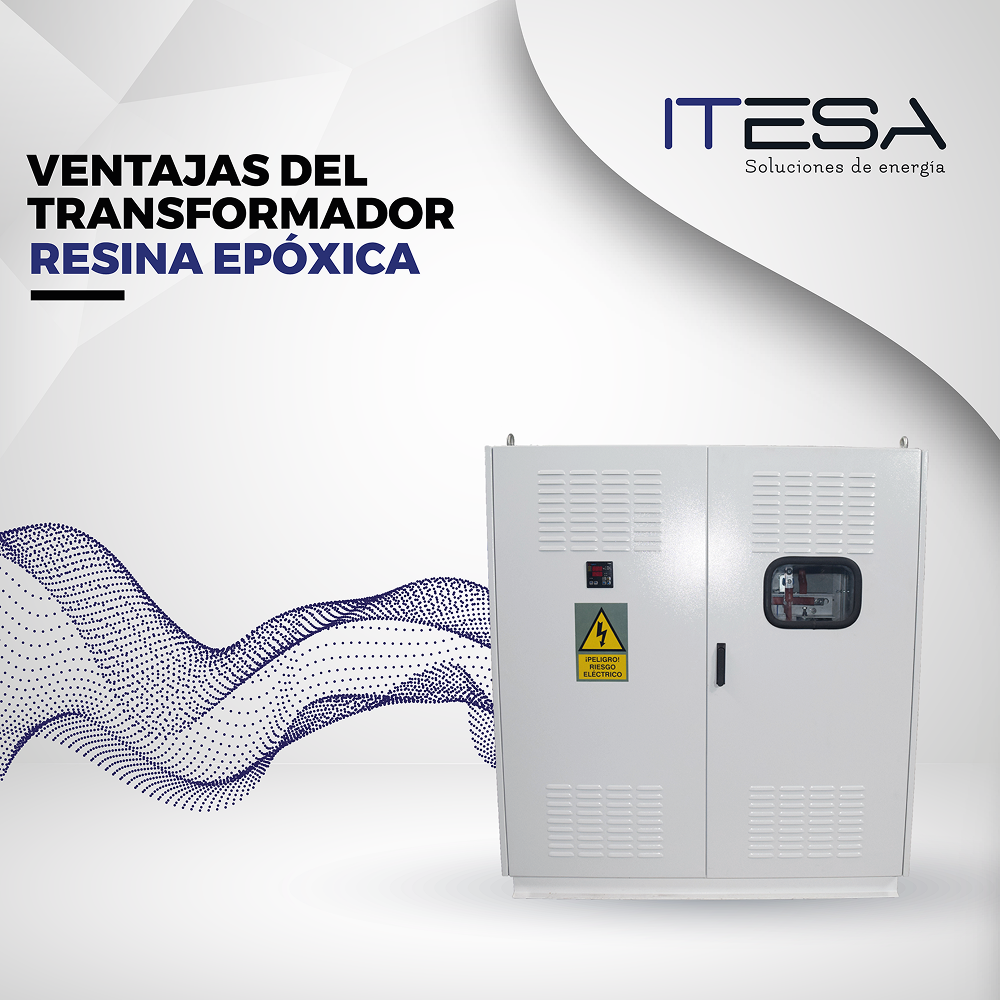
In other words, distribution boards are cabinets that contain communication, operation, control, measurement, protection, alarm, and signaling devices, each performing a specific function in the electrical system. Their priority is to protect each distinct circuit in which the installation is divided. Additionally, they must withstand short-circuit current levels. There are several factors and variables to consider before installing and designing a board, such as the power to be managed, the control system for the devices, maintenance policy, the safety of the installations they will control, and the operators.
What Characterizes Them?
As part of the integral system for the distribution of electrical energy, distribution boards may have similar characteristics to a panel since both have similar objectives. However, these boards also ensure the protection of different components from mechanical influences, vibrations, and other external factors (such as people, animals, etc.). They can also be made from pressure-cast enclosures, thermomagnetic, or electronic components, always considering the user’s needs.
The structures can be flexible, allowing the addition of new structures by expanding their diameter. The placement of internal elements is designed for easier installation and maintenance work. This ensures safety for operators and installations. Therefore, distribution boards are crucial when looking for ways to secure operations.
Differences Between a Distribution Board and a Panel
Although both are similar, they are not the same. Distribution boards provide a similar functionality within a power distribution system. Typically, they are limited to a maximum input current or network of 1200 amperes, whether placed on a flat surface or flush with the wall. On the other hand, distribution boards are autonomous units that can be connected from the front and require access only from the front, similar to a control panel.
One of the key differences is that distribution boards can offer both front and rear access if programmed by the operator. They can also handle overcurrent devices of up to 6000 amperes. In contrast, panels are used to deactivate the device so it can function and avoid further breakdowns. This type of equipment is directly related to the reliability of the power source. For example, a switch in the substation or on a yard isolator can be referred to as distribution devices.
The Main Types of Distribution Boards
Various types of distribution boards can be found, depending on their application or content. Here you can read about a few of them:
- Low Voltage General Distribution Board: A component of an energy distribution system that divides a power source into subcircuits and provides circuit breakers or fuse protection for each circuit in a common distribution board.
- Motor Control Centers (MCC): These are control and protection circuits, primarily for loads including motors and utilities. They consist of an arrangement or combination of multiple starters grouped in a general board.
- Secondary Distribution Boards: These are electrical boards made up of switching and protection devices enclosed in a cabinet or housing, such as switches, disconnectors, small circuit breakers, differential breakers, fuses, etc.