




Three-Phase Transformers: What Are They Made Of?
Three-phase transformers change power energy so that it can be used in electronic devices requiring lower voltage. Although it may seem insignificant at first glance, this function is highly beneficial not only for urban areas but also for the industrial sector. How is this possible? At ITESA, we highlight the importance of their internal composition when in operation, and that’s why today we’ll tell you more about this innovative product.
What Is a Three-Phase Transformer?
To get straight to the point, it’s a mechanical system that combines generators, transmission lines, and three-phase loads to distribute electrical current from the origin point to end points, generating three phases of alternating current. These transformers are used worldwide, as they can adjust voltage levels to reduce transmission losses, unlike direct current power systems.
To form a three-phase transformer, three single-phase transformers can be connected together. This enables the generation of various voltages that can be used simultaneously to meet electronic connection requirements. The winding or coils in the device are arranged with the low-voltage coil placed inside the high-voltage coil, while maintaining the individual voltage levels they produce. In other words, both are covered without losing their function.
What Are the Main Components?
As mentioned earlier, these transformers include several components that may be complex to define. However, it’s important to understand the basics of each part to identify key features. Each has a specific function necessary for correctly delivering electrical energy to designated points.
Winding (Coil)
Also known as the coil, it is typically a copper wire found in the transformer’s core. It acts as a conductor, receiving and reducing power to a lower voltage for transport to various destinations. The number of turns also helps determine the voltage level—more turns mean higher voltage.
Oil Level Indicator
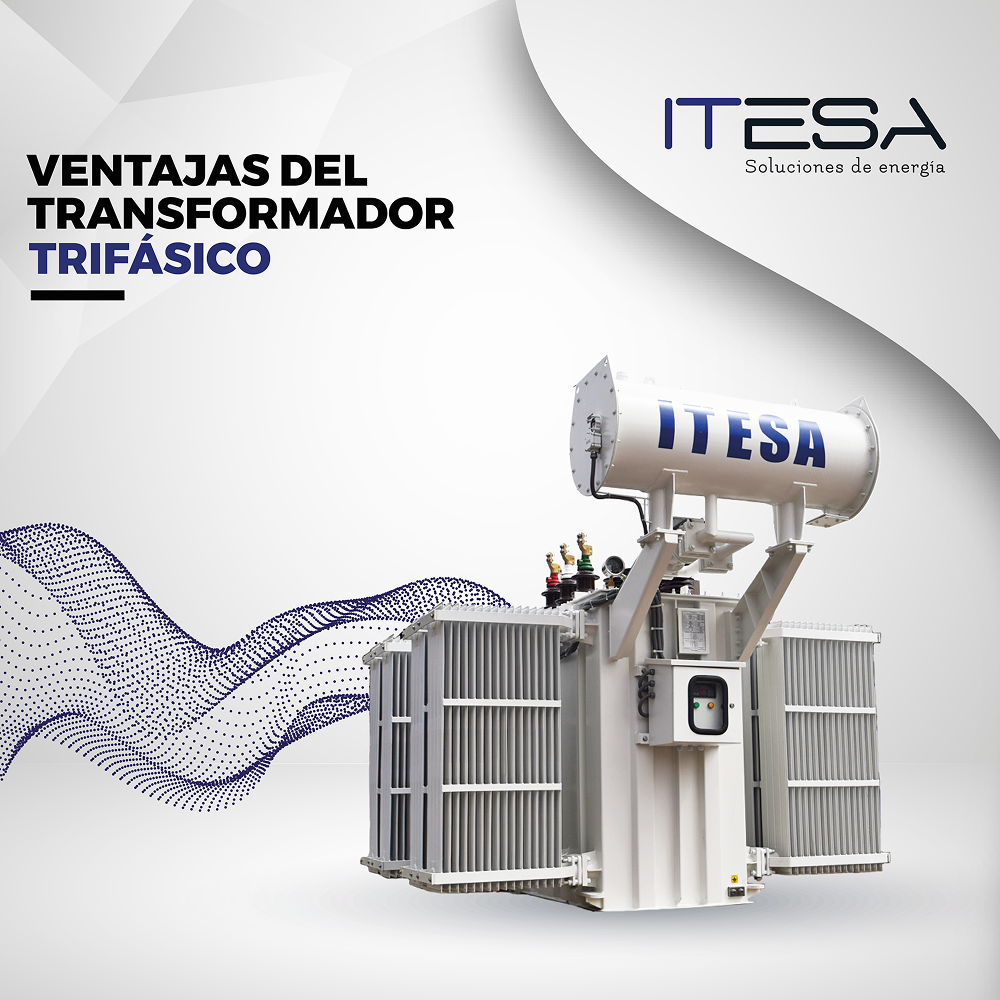
As the name suggests, it shows the oil level in a transformer. It also measures the temperature of lubricants, coolants, or hydraulic fluids outside the container. This is crucial for preventing malfunction, and it can send alerts when issues are detected.
Expansion Tank
It serves as a container to monitor oil variation. Its role is to absorb volume fluctuations in a fluid within a closed circuit while maintaining pressure and preventing fluid loss. It also helps control pressure during water circulation and prevents coolant spills.
Bushings (Input and Output)
The input bushing connects the main winding to an electrical entry point in a substation. The output bushing connects the secondary winding to the distribution network, essentially acting as connection points for the coils.
Tank
A metallic container that houses the cooling oil, windings, and core. In short, it protects the internal components from direct contact with high-voltage elements.
Filling Tap
This is a container used to fill the transformer with oil. It is connected to the tank to allow oil refilling.
Cooling Radiators
Their function is to eliminate heat generated inside the transformer, preventing the oil from reaching unsafe temperatures. This prevents overheating and potential fire hazards in substations. Heat is released starting from the windings and magnetic circuit to the outside.
Thermostat
It monitors the transformer’s temperature and issues alarms if it gets too hot. It adjusts to a pre-set temperature, typically configured by maintenance personnel. If temperatures drop too low or rise too high, it automatically corrects the imbalance.
Voltage Regulator
It adjusts the transformer’s voltage according to consumption needs. It ensures that electrical energy is delivered to users at permitted voltage standards. Regular maintenance of this component is essential.