




Safety with Low Voltage Transformers
It is well known that transformers are highly useful because they allow many specialized machines to have a long lifespan with lower maintenance costs, particularly in the business sector, while in the domestic sector they can help to avoid accidents. En cuanto al doméstico, pueden servir para evitar accidentes But, do you know about low voltage transformers? How do they differ? That is the question we will answer in the following article. Below, we’ll explain more about them.
What are the Low Voltage Transformers?
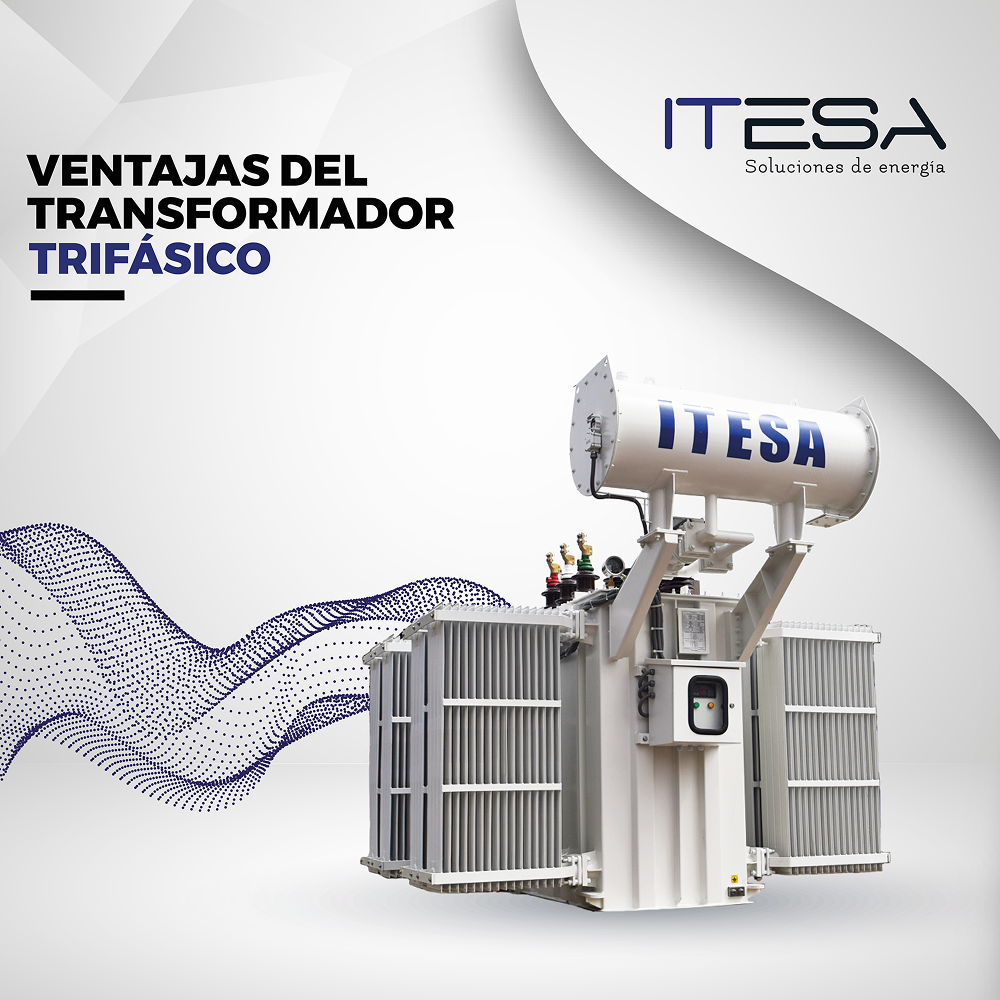
Starting from their definition, this type of transformer is mainly associated with domestic use, as they are commonly used to reduce voltage and avoid material damage or accidents. They can also be found in rural and urban areas, distributing electricity properly to places that need it the most, such as residential areas or public lighting. However, they can also reduce the voltage from security or power supply sources, which is why they are used in electrical, metallurgical, or similar industries.
How Do They Work?
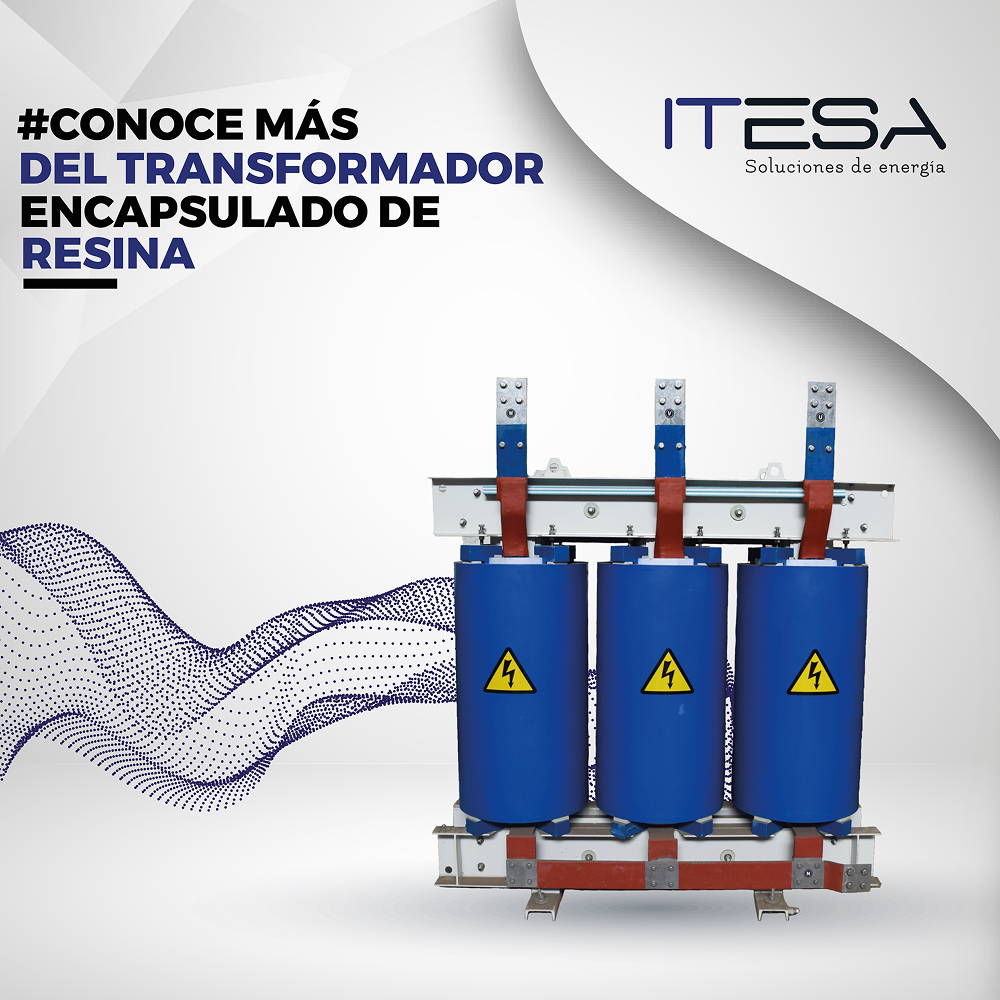
A low voltage transformer consists of two coils: primary and secondary. The primary coil is responsible for collecting electrical energy, and the secondary coil is tasked with providing it. The two coils are connected to the core, but they are not electrically connected. This core allows the energy to be transferred from one coil to the other, as it is made of soft magnetic material. The electricity is transferred when the primary coil is connected to the power source, and the magnetic field in the core performs the transfer to the secondary coil.
In contrast to high voltage transformers, which tend to weigh several kilograms, low voltage transformers are small and can be held with one hand. These qualities have allowed them to be made in various types, used to transform alternating energy, frequencies, and intensities. They take on the role of changing direct and induced currents, reducing the voltage from 120 volts to around 12, making them either single-phase or three-phase transformers.
Difference Between High and Low Voltage Transformers
If we compare these two types of Transformers, we will find that they are both used to distribute energy to the different areas they are designated for. However, there are significant differences between them, which we will mention below:
High Voltage Transformers. Used in industrial settings for machinery that requires electrical power ranging from 600 to 5000 volts. They are essential for powering medical equipment, power supplies, or amplifiers.
- Their functions include increasing or decreasing power over long-distance cables. They are also necessary for industrial measuring equipment, telephone networks, and electrical distribution/control.
Low Voltage Transformers. These transformers use magnetic coupling to transfer energy from one circuit to another. They provide low current, making them safe for users of common household appliances.
- Their main function is to minimize the risk of electric shocks and protect users from short circuits. The typical voltage is 12 to 24 volts, and they usually do not generate heat. They are safe enough to prevent incidents while the current is on.
Considering the points described above, we can conclude that both low and high voltage transformers are essential for applications in urban and industrial areas, respectively. However, it’s important to identify the appropriate scenario to use one model over the other, or vice versa. Otherwise, not only could you be exposed to situations that are beyond your control, but it could also directly affect their lifespan.
What are Their Benefits?
As mentioned earlier, low voltage transformers have significant utility in society, as they reduce the chances of a person suffering an electric shock. While it may sound repetitive, it’s worth keeping in mind as one of their primary benefits. Therefore, they help maintain safety in commercial, residential, and building environments, as these are the places where such incidents are most common. They also aim to protect electrical appliances by modifying the voltage that directly influences them.
In conclusion, transformers play a crucial role both socially and commercially. Their components, such as the primary winding, serve to receive electrical energy when connected to the input, while the secondary winding transforms the alternating magnetic field into the energy required for the devices or systems it is connected to. Along with the advantages outlined earlier, this makes them a key product for ITESA.