


Advantages of the Resin-Encapsulated Transformer
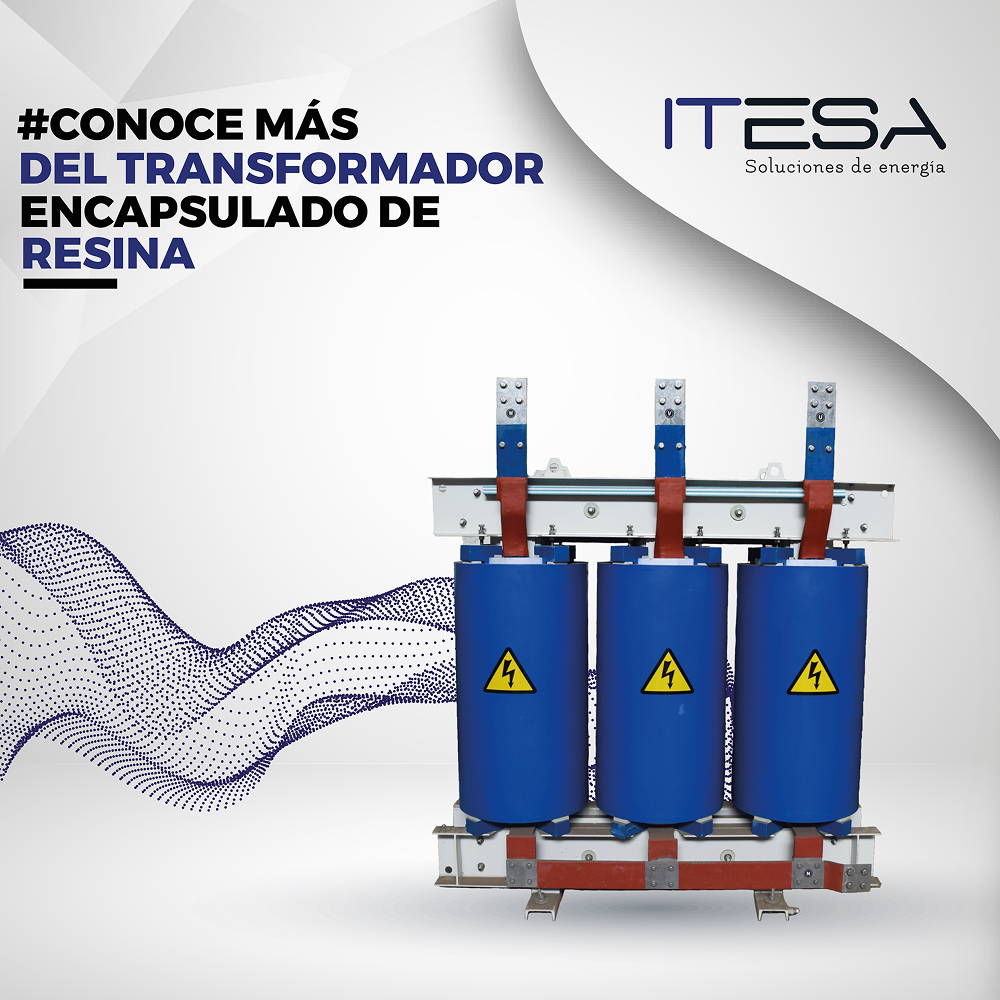
Nowadays, many technological products are designed with properties that benefit the environment, both in terms of preservation and cultural advancement. One of these is the resin-encapsulated transformer, which stands out for several reasons that make it an eco-friendly option. What benefits does it offer to companies? ITESA answers this question in the following article — stick around, we’re just getting started.
What is resin?
Resin is a type of organic material commonly used in encapsulation processes. It has high resistance to temperature changes, it can be thermally modified, and then return to its original state once it is cooled. One of its main advantages is its moldability, making it suitable to use in various objects made from different materials. For example, it can be used to protect fragile items or provide a smoother finish and appearance.
Advantages of Resin-Encapsulated Transformers
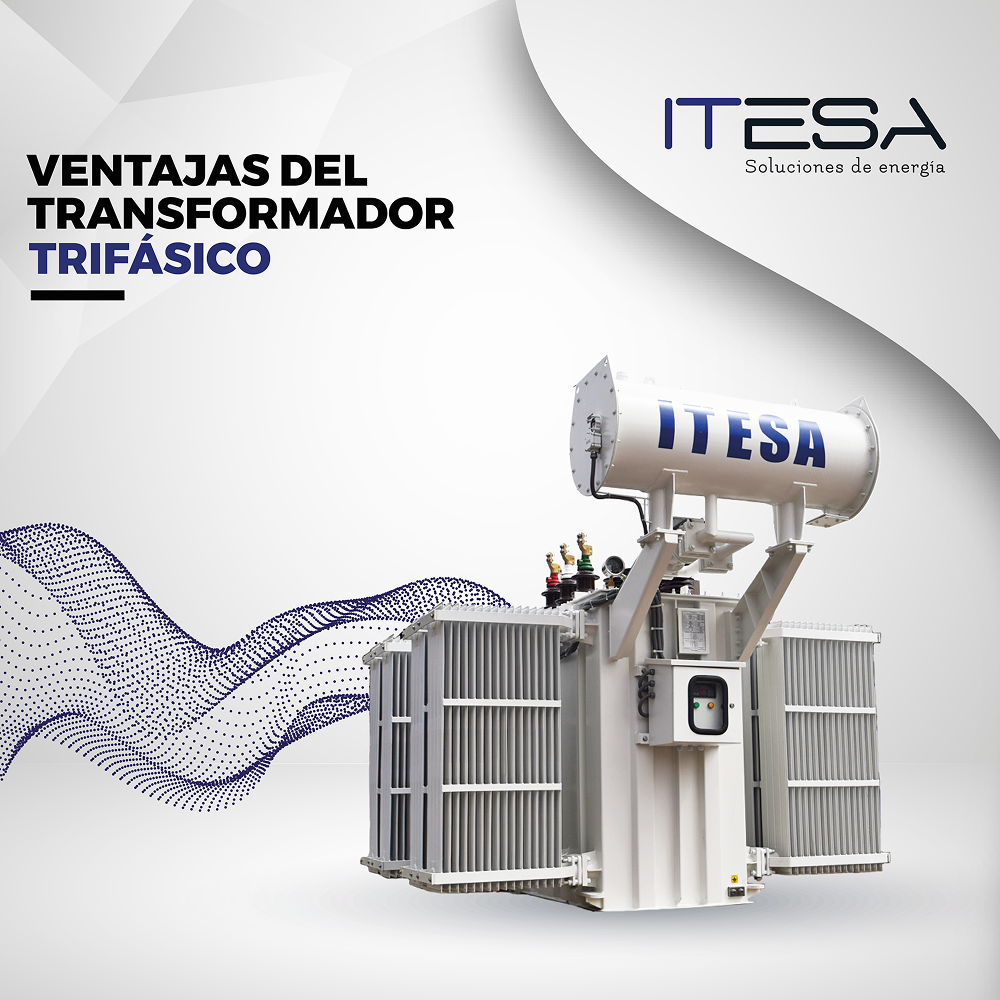
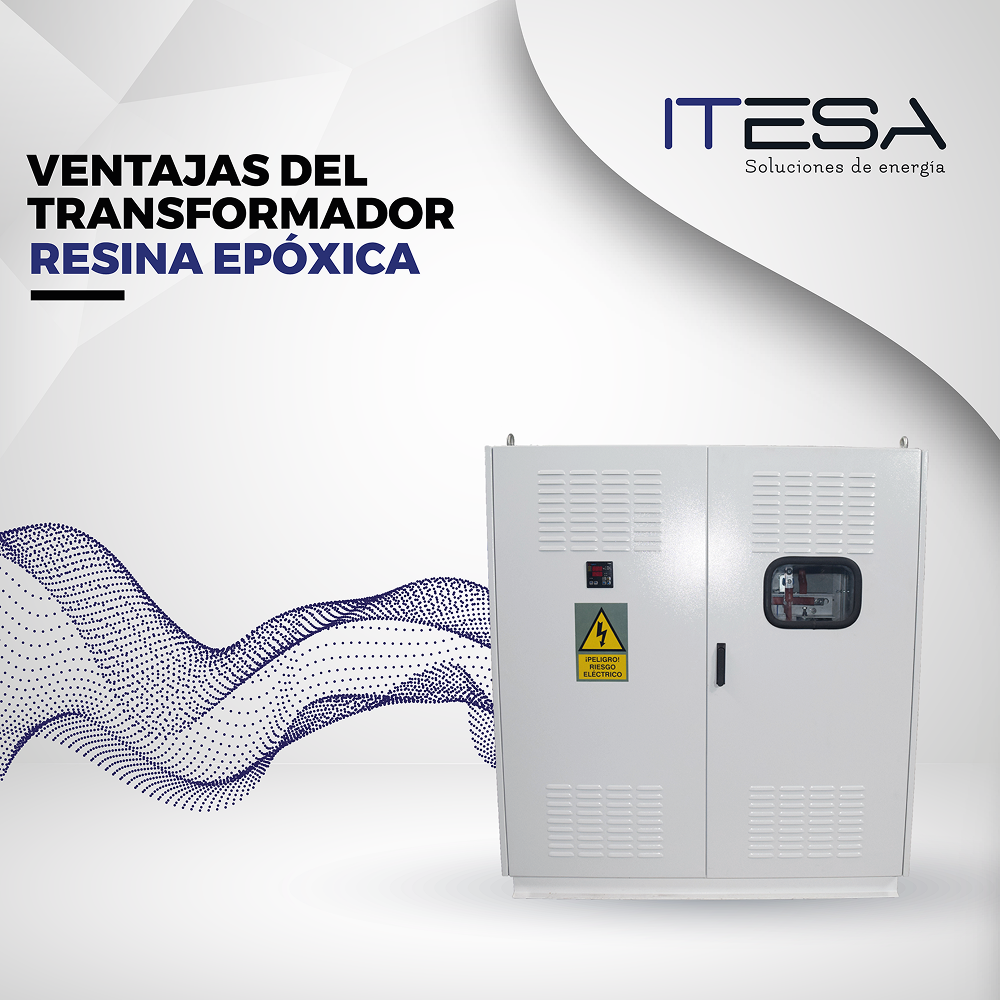
In other words, a resin-encapsulated transformer can be an alternative solution for medium-voltage power distribution. These transformers offer several advantages over traditional oil-immersed transformers which are all crucial when choosing the right equipment. Below, we can explore these advantages in detail:
Minimized Fire Risk
This is a very important point since the materials used in resin encapsulation have a very low self-ignition index and are have properties programmed to eradicate the danger themselves. No fire protection systems are required during installation. The risk of causing damage is almost zero due to their very low calorific potential. This makes them suitable for hospitals, airports, mines, oil fields, ships, and more.
No Cooling System Required
Resin-encapsulated transformers have to be able to certify good quality of cooling air circulation in order to cool the windings and core. These transformers do not use liquid coolants, and have no risk of contamination since they have the ability to eliminate fire hazards, unlike conventional transformers that rely on insulating oil.
Recyclable Materials
These transformers are very environmentally conscious since they show a lot of respect for the environment throughout their construction. Once they reach the end of their lifespan, some of its parts can be reused to manufacture new transformers. This recycling method happens especially with the primary and secondary windings, as resin is considered an inert material.
Lower Environmental Impact
Another major advantage of these transformers is their environmental protection since lower energy consumption leads to lower CO₂ emissions, which helps to mitigate their harmful impact. This is especially important in regions with carbon emission regulations. An estimated reduction of 112 tons of CO₂ over 20 years can be achieved.
Easy Installation
They can be installed in public spaces like buildings and high-traffic areas, which helps to save space and to reduce installation costs. Expensive infrastructures (like oil catch basins or extinguishing grates) are not necessary. Being installed closer to the load center also reduces power loss during transmission.
Higher Overload Capacity
Due to their air-based cooling, resin-encapsulated transformers take longer to reach their operating temperature and can handle higher overloads compared to oil-immersed transformers. This allows them to supply frequent load currents. Temporary overheating can be controlled with ventilation systems that help keep coil temperatures above the acceptable range safely.
Low Maintenance
These transformers have a very low maintenance cost since they allow periodic inspections to avoid excessive dust or dirt buildup. In contrast, oil-immersed transformers need frequent checks to monitor insulating fluid levels and to ensure that the dielectric properties haven’t deteriorated.
Resistance to Short Overloads
The current density in resin-cast transformers is much lower than in oil-immersed ones. This allows them to handle short-term high loads, such as those seen in wind power plants, without needing oversizing or extra planning.
Learn More About Us
Would you like to know more about resin-encapsulated transformers?
Click here to visit our website!
Learn more about our electrical products by calling our sales team at (+511) 552 – 3451 | Ext. 103 or Mobile: 998 169 220.
You can also reach us at our office numbers: (+511) 552 – 3451
Send us a message at:
📧 ventas@itesa.com.pe
📧 itesa@itesa.com.pe
📍 Visit us at:
Av. Los Platinos 143, Urb. Industrial Infantas, Los Olivos